
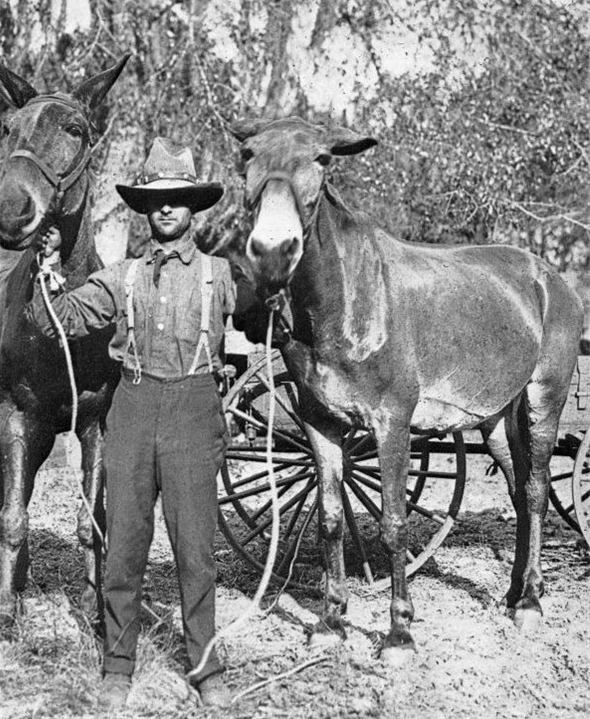
When calling about a mule these are some questions that you will want to ask. If the seller tells you the mule has already been sold but he has another one in the barn lot that just might work for you, I would be skeptical. An unscrupulous seller can easily post a glamour photo of a mule (any mule) to entice potential buyers into calling. This is called the Bait and Switch. When inquiring about any mule, here are some questions to consider when interviewing the seller:
Phone Interviews With Sellers
First, be cordial to the seller and ask if now is a good time to talk about the mule being offered for sale. Remember, buying and selling a mule can be an emotional ordeal. The seller may be emotionally attached to the mule, there may be screaming children heard in the background, there may be a domestic issue that is forcing the sale of the mule; so don’t judge the seller when conducting your phone interview. If the seller gives you satisfactory answers to your questions, then arrange for the time to come out to look at the mule. If you are new to mules, you may want to let the seller know that you would like to see the mule being caught, groomed and saddled before you ride it. A hard to catch mule is not an easy issue to deal with for a new mule owner. However that never stopped me from buying a mule that didn’t want to be caught because I wrote the book on it! Training the Hard to Catch Mule.
When I bring a new mule home and he refuses to be caught, then the hunt is on. (wink.) I will catch that mule. It’s almost a personal thing with me because I am the most concerned and caring individual a mule could have for an owner. I make training fun for the mule and I easily connect with mules. And now you don’t want to hang out with me? Ha! The thrill is in the hunt! Like Dog the Bounty Hunter, I will bring in my mule.
These thought provoking questions should help you gather important info on the mule being offered for sale.
When calling about a mule these are some questions that you will want to ask. If the seller tells you the mule has already been sold but he has another one in the barn lot that just might work for you, I would be skeptical. An unscrupulous seller can easily post a glamour photo of a mule (any mule) to entice potential buyers into calling. This is called the Bait and Switch. When inquiring about any mule, here are some questions to consider when interviewing the seller:
Environment: Where is the mule kept? Is he kept in a pasture, stall or paddock? Is he used to being with other horses/mules? How does the mule rank in the pecking order? This is good Information to know. If you intend to purchase a mule and change his environment and/or social order, you need to be confident that it will work out for the animal. Has the mule been exposed to barbed wire or an electric fence? These are all important issues to consider for your new mule purchase. A new animal should be introduced into his new surroundings during daylight.
Activity level: Ask about his activity level. How long has the mule been “unemployed?” Mules need time to get back into a “schooling” frame of mind, which usually takes about three weeks. During that time, there will be a change to their “mindset.” Remember as a child, returning to school after a long summer? If you are a skilled rider, this will not be a problem for you.
Health history: Is he up to date on all shots, paste worming, teeth floating and are his feet kept up? Vaccinations should be given twice a year, in the spring and fall. When you see an ad that claims the animal is “up to date on shots, paste-worming” ask to see the schedule. Paste-worming schedules that are allowed to go past 8 weeks can cause health issues in the animal. Has the animal had any illness or injury that required veterinary attention? You need to know this to determine if there may be a potential ongoing problem. Ask for the medical history on the mule.
Job skills: What are the mule’s job skills? What can he do? (Cross water? Cross bridges? Ride safely and calmly around traffic? Load into the trailer? Stand quietly for the farrier? Come when he is called? Ride English/Western or Hunter/Jumper? Work cows? Trail ride with confidence alone or in a group? Stand tied quietly to the trailer? Is he traffic safe? Is he able to camp on a picket line? Does the mule hobble?) These are just a few things to think about when purchasing a mule.
Your expectations:
What do you want the mule to do? Is he suited for what you expect of him? How is the mule’s disposition? A mule that requires being safe and confident while riding on the trail, should have a quiet disposition that is not easily spooked or show signs of nervousness. A performance mule that is expected to have athletic ability and speed should possess those same qualities.
Age of the mule:
Does the seller have paperwork to back up the age of the mule? A qualified veterinarian can age a mule by overall physical examination. Actual breeder certificates will also endorse the physical age on the mule. Since mules are hybrids, they have longevity and their physical age cannot be compared to the horse. This is another factor where the mule has the advantage over the horse, if properly cared for he will be sound and may be in service until the day he dies.
Ownership:
How many owners has the mule had? Is he a “foster” mule going from home to home? Of course, the better your riding/training skills, this won’t be an
issue for you.
Interaction:
Does the mule dislike cows, dogs or goats? This may be a potential trail problem if you are not able to get the mule past this issue.
Diet:
What has been the mule’s diet? Pasture mules going to another part of the country may experience dietary issues. All of this makes a difference to the overall health of your animal. Even though the mule is an adaptable creature, you will want to meet his dietary needs.
Training:
What type of training did the mule really have? An ad claiming the mule has been trained for a skill or task can be verified. Ask for the trainer’s name and contact information. Does the mule have any awards or show history? Get proof for the amount and type of training the mule has.
Compatibility is the key to owning a mule that you can enjoy for many years to come. You have to be confident with the new mule you are about to purchase. You also should feel safe when riding him and when doing groundwork as well. Take time to get to know the mule, allow him to bond with you and your partnership will grow from there.
Time off: When was the last time the mule was ridden? Mules that have the best disposition in the world can be left alone for long periods of time and then brought back to service. Other mules may not be as so agreeable to coming back after a period of rest and relaxation.
Ask questions: Don’t hesitate to ask the seller a lot of questions. The seller knows if you are asking thought provoking questions, then you are a serious buyer. Keep in mind, the seller may not have the same skill level in training, riding or ownership of equines as you do; you will be wise to ask the necessary questions to give you a better understanding on the mule’s history. If you the buyer are lacking in confidence or an advanced skill set to training, riding and owning of mules, then take an experienced person that is qualified to assist you.
Size: You don’t want to purchase a mule that is too tall for you or one that is too short. Bone structure on a mule is equally important when shopping for a trail mule, pack mule or one to go to work. Make sure the mule is built for the job you expect him to do.
Get the book “How to Buy a Mule & Not Get Screwed” on Amazon – paperback and instant download available.